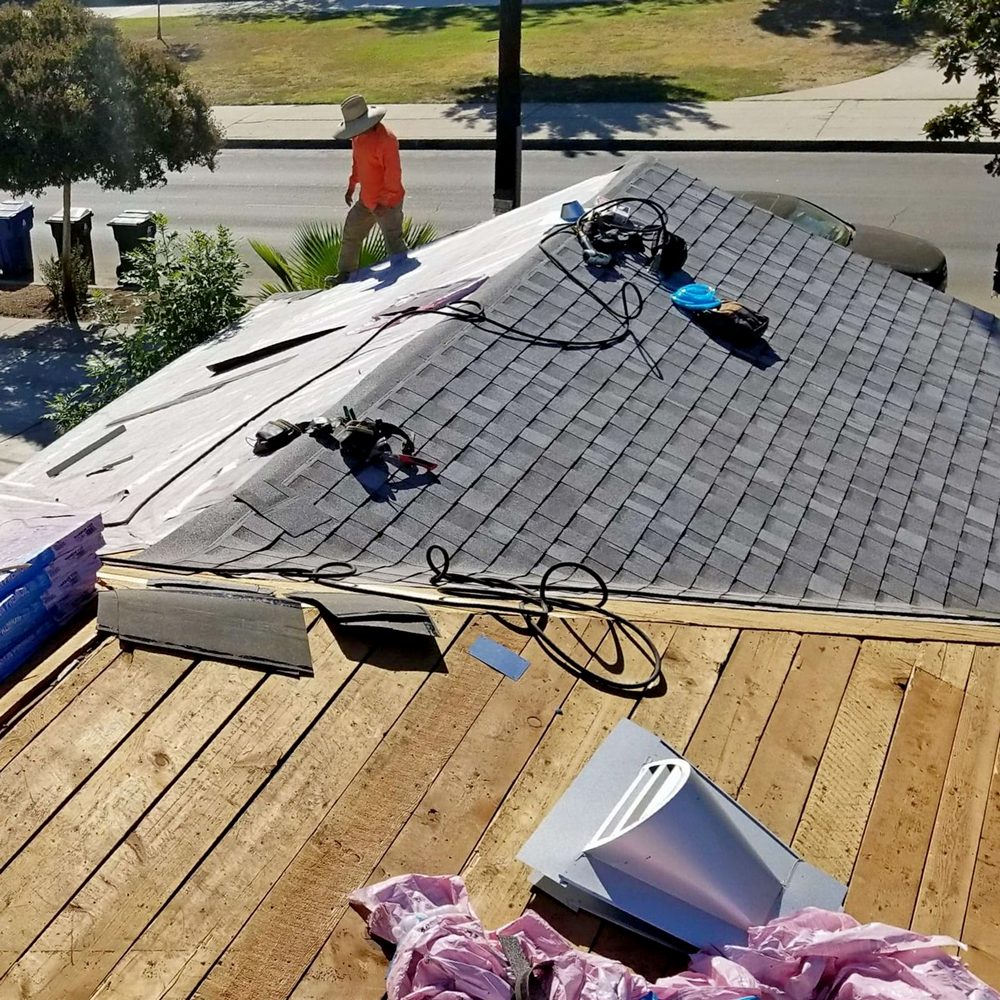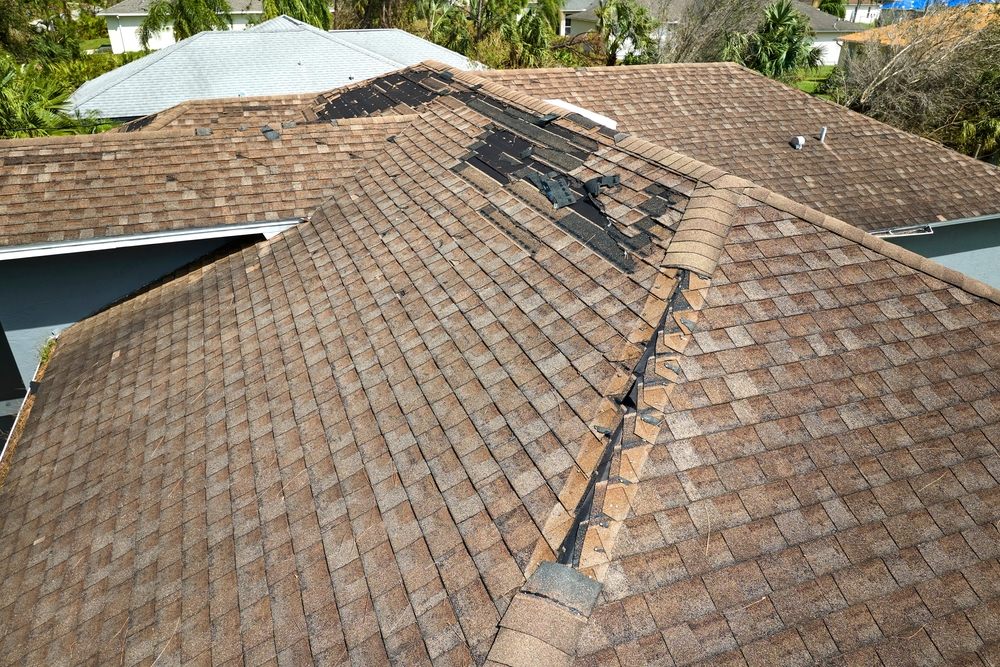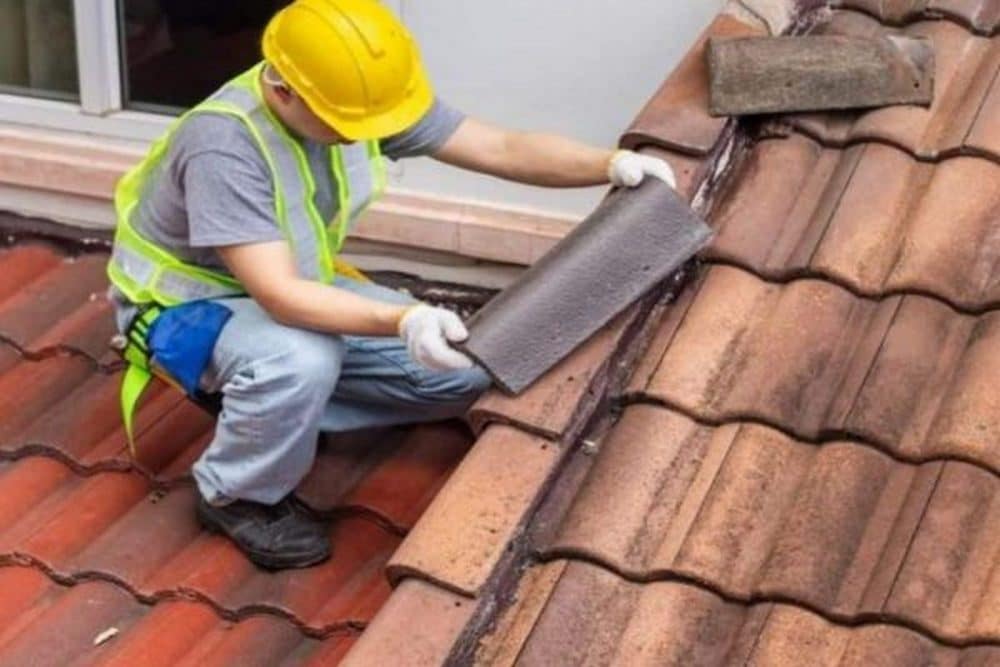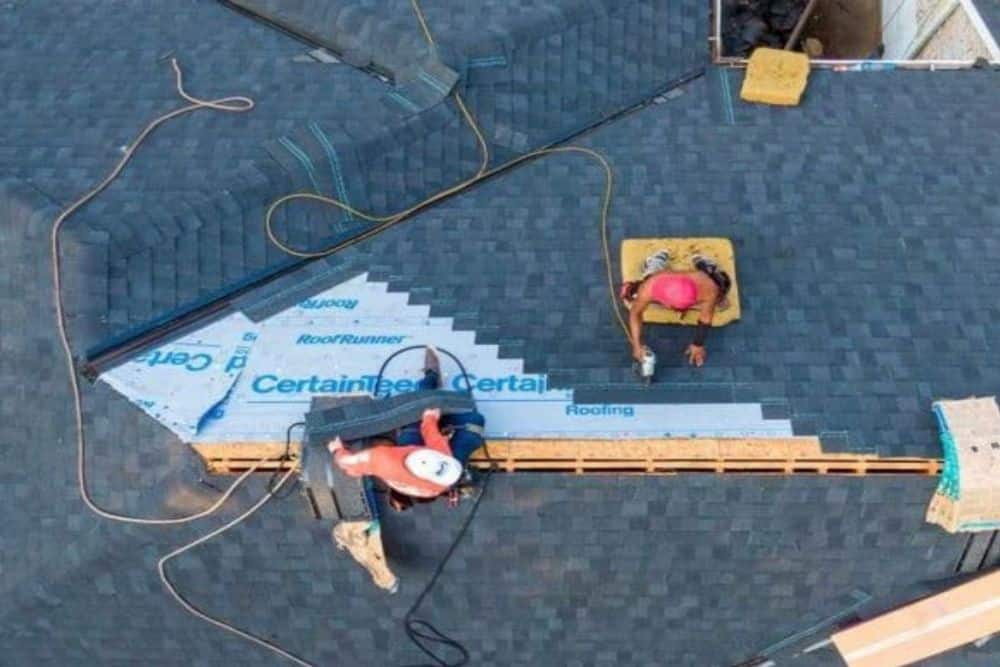
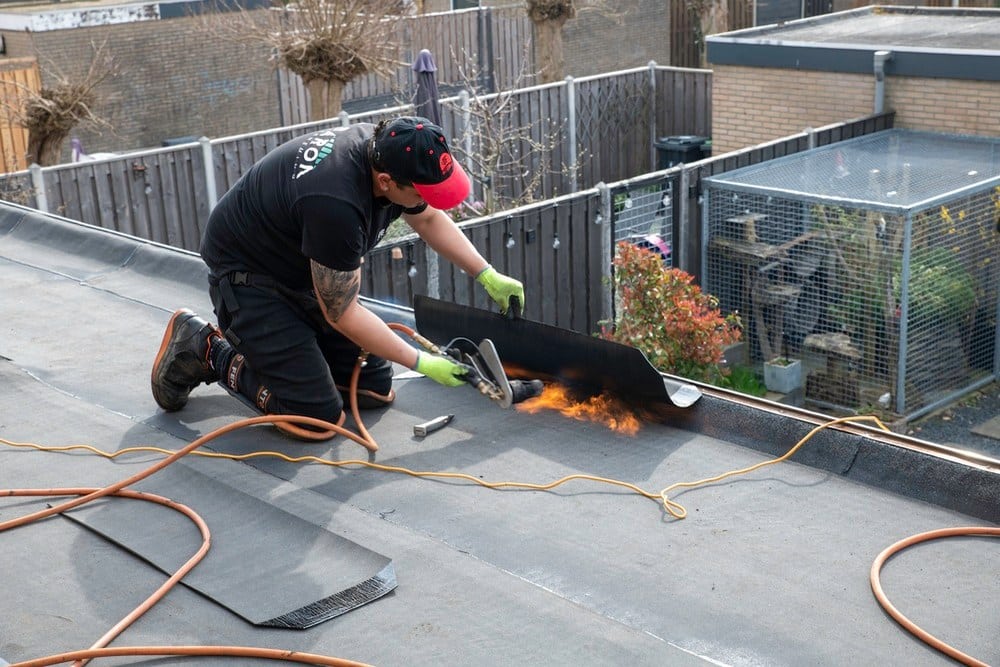
Your roof edges face the elements every day, making them an important area to examine during a professional roof inspection. Although you may focus on the main surface of your shingles, damage along the edges can develop without being obvious from the ground. Loose or deteriorated shingles, damaged flashing, exposed materials, and signs of moisture can indicate that the roof edge needs attention. Because these areas help transition the roofing system to the exterior walls and other parts of your home, problems along the edges can affect more than appearance. A professional roof inspection gives you an opportunity to have these areas evaluated as part of your roof’s overall condition. If you have an older roof or have recently noticed changes around its perimeter, an inspection can help you understand whether the roof edges remain in good condition or require repairs.
Loose Shingles Can Affect Roof Edges
Shingles near the edge of your roof are especially important to inspect because they are exposed to wind and weather. If shingles become loose, cracked, curled, or damaged, water may have an easier path beneath the roofing surface. You may notice visible changes along the edge, but smaller problems can be difficult to identify without a closer evaluation. During a roof inspection, the condition of the shingles can be assessed along with other components around the perimeter. This can help identify areas where materials have become worn or where previous repairs may no longer be performing as expected. If you have noticed missing shingles or changes along the roofline, considering a professional inspection can help determine whether the issue is limited to a few damaged materials or whether additional areas need attention. Addressing roofing concerns while they are still localized can help you plan repairs before they become more extensive.
Water Damage Can Start Around Vulnerable Areas
Moisture is one of the biggest reasons to pay attention to roof edge conditions. When roofing materials, flashing, or other perimeter components are damaged, water may enter areas that should remain protected. You may not see evidence of the problem until a ceiling stain, interior moisture, or another sign appears inside your home. A roof inspection can help you identify visible conditions that may contribute to water intrusion and determine which areas deserve closer attention. Roof edges can also connect with other important sections of the roofing system, so examining the perimeter as part of a broader inspection can provide a more complete understanding of your roof’s condition. If you have experienced a leak near an exterior wall or repeatedly noticed moisture in the same area, scheduling an inspection can help you investigate the roofing system instead of relying only on the location of the interior stain.
Roof Edge Wear Can Develop With Age
As your roofing system gets older, normal exposure to sunlight, rain, wind, and temperature changes can gradually affect materials around the roof perimeter. Shingles may lose their protective granules, flashing can deteriorate, and previously repaired areas may begin showing new signs of wear. These changes don’t necessarily mean you need an immediate roof replacement, but they can make regular roof inspections more valuable. By evaluating the roof edge along with shingles, flashing, vents, and other components, you can better understand how your entire roofing system is performing. This can also help you distinguish between normal aging and damage that requires professional attention. If your roof has been in place for many years, an inspection can provide useful information about its current condition and help you plan future maintenance or repairs based on what is actually happening across the roof.
A Roof Inspection Helps You Plan Repairs
Understanding the condition of your roof edges can help you make more informed decisions about roofing maintenance and repairs. A professional roof inspection can identify visible damage, areas of material wear, and conditions that may contribute to leaks or other roofing problems. Instead of waiting until a small issue becomes a larger concern, you can use inspection findings to determine which areas deserve attention and what type of roofing work may be appropriate. My Local Roofer provides professional roof inspections designed to give you a clearer view of your roofing system, including areas where damage may not be immediately noticeable. If you are concerned about worn shingles, moisture, or visible damage around your roof edges, contact My Local Roofer at (818) 383-6736 or fill out our online form to schedule a roof inspection and learn more about your roof’s condition.
about
My Local Roofer
Specializing in residential and commercial roof repair, replacement, and installation.