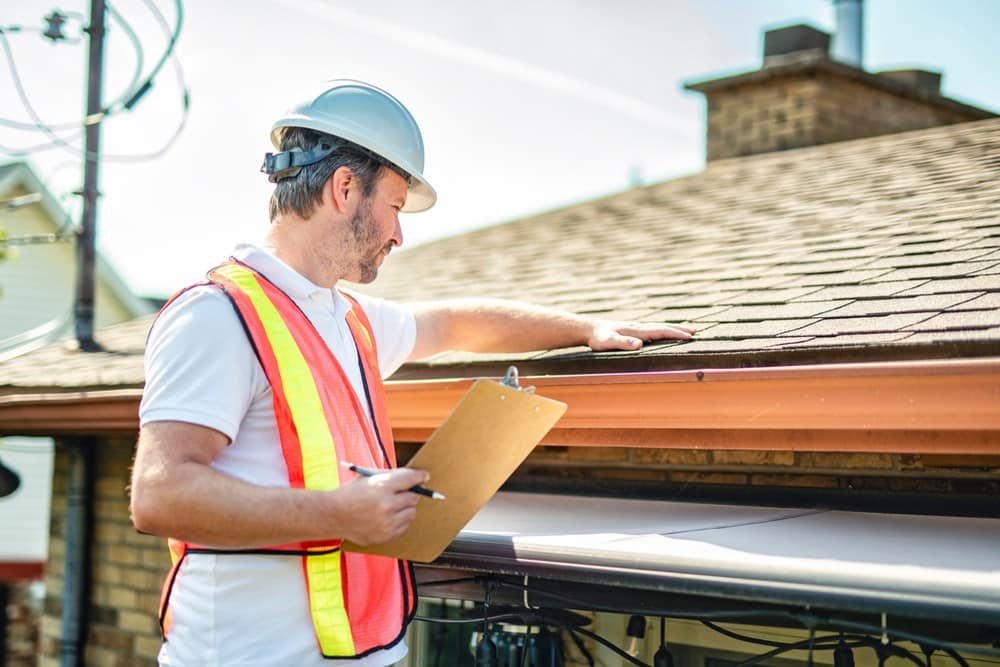
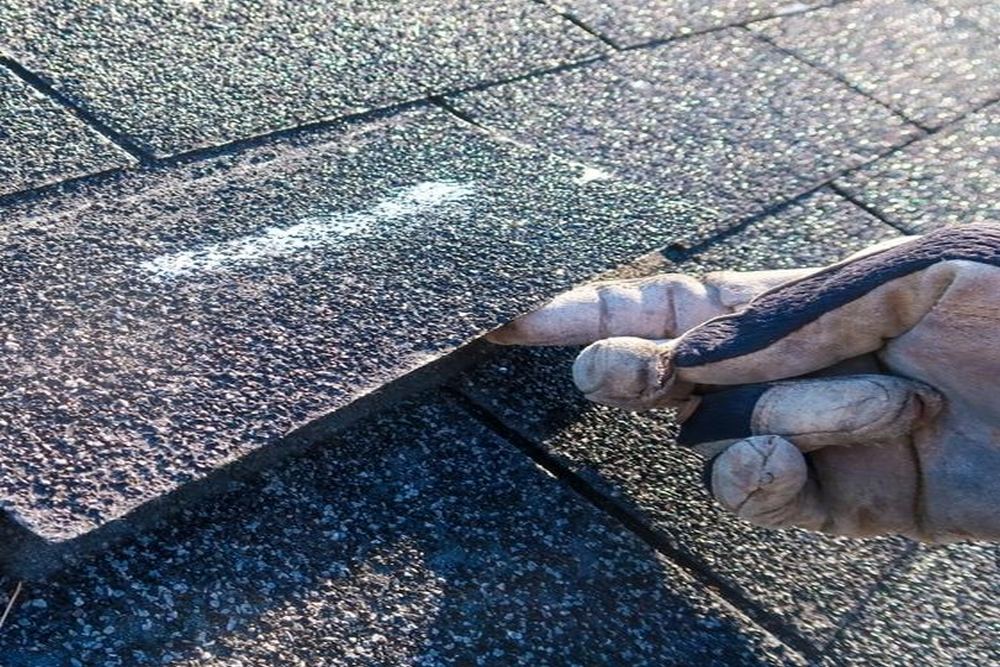
When you schedule a roof inspection, you give yourself a chance to catch small issues before they become expensive structural problems. You may not always notice what’s happening above you, but your roof is constantly exposed to the sun, rain, wind, and temperature changes that slowly wear it down. An inspection allows you to identify early warning signs such as slight material shifts, minor surface cracks, or early aging that often go unnoticed from the ground. When you stay ahead of these issues, you reduce the risk of sudden leaks or interior damage that can affect ceilings, insulation, and even electrical systems. Instead of reacting to emergencies, you take control of your home’s condition by addressing concerns while they are still manageable. This proactive approach helps you avoid the stress of unexpected repairs and gives you a clearer understanding of your roof’s overall health.
Spotting Hidden Leak Sources Before They Spread
Leaks rarely appear where the actual problem begins, which makes early detection through inspection extremely important. You might only notice a water stain inside your home, but the source could be far from that visible spot. During an inspection, you can uncover weak points around vents, chimneys, skylights, and seams where water tends to enter first. Even a small opening can allow moisture to travel through layers of roofing material, leading to mold growth, wood rot, or insulation damage. By identifying these entry points early, you prevent water from spreading across hidden areas of your home. You also avoid repeated interior repairs that only treat the symptoms rather than the cause. A detailed inspection helps you connect subtle exterior issues to interior warning signs, so you can address the root problem directly and prevent further deterioration.
Assessing Shingles, Flashing, and Structural Weak Points
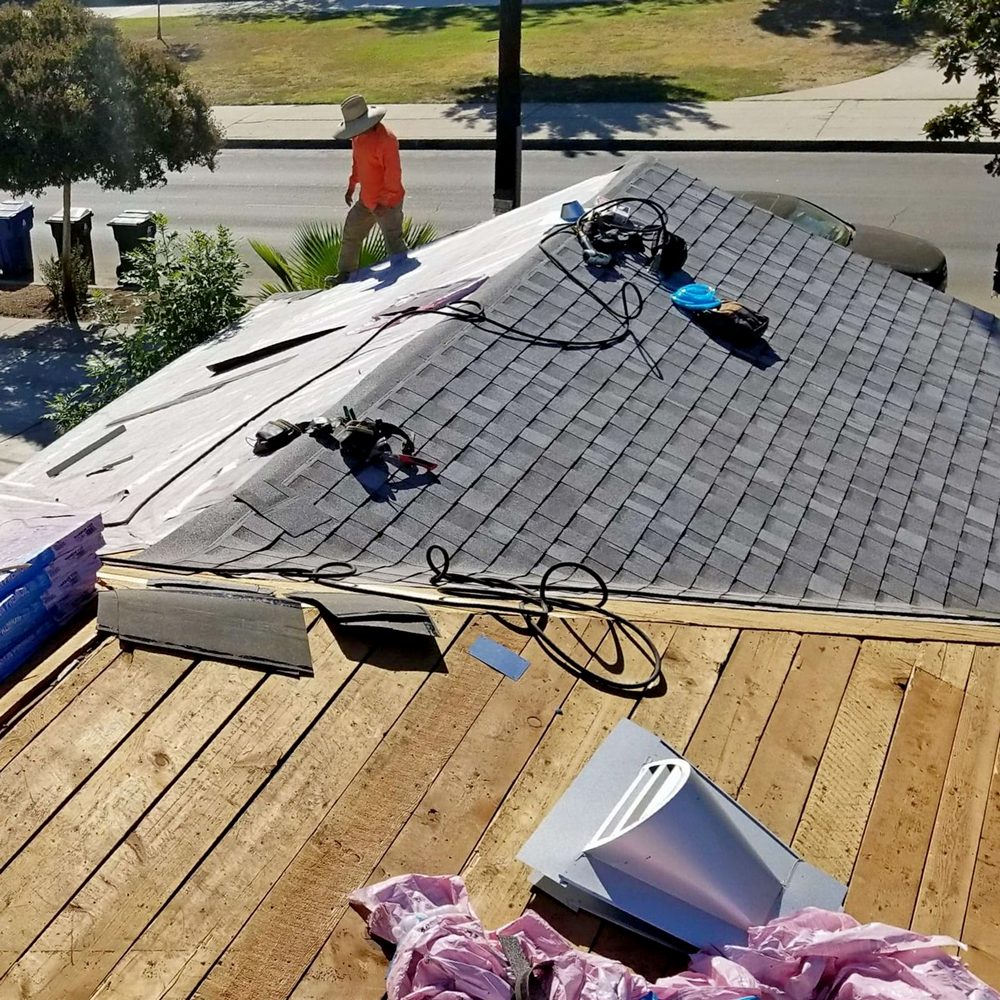
Your roof’s surface materials play a major role in protecting everything underneath, and inspections help you evaluate their condition before failure occurs. Shingles may curl, crack, or loosen over time, especially after exposure to strong winds or prolonged heat. Flashing around edges and joints can also shift or corrode, creating openings that allow water to slip through. During an inspection, you can identify these weaknesses early and determine whether repairs or replacements are needed. You also gain insight into structural areas that may be under stress, such as sagging sections or uneven surfaces that suggest deeper issues. By regularly checking these components, you ensure that your roofing system continues to function as a solid barrier against the elements. This level of awareness allows you to take action before minor wear and tear turn into widespread damage.
Weather Impact and Long-Term Roof Wear Detection
Every season leaves its mark on your roof, and over time, these effects add up in ways you might not immediately notice. Strong sunlight can dry out materials, heavy rain can test drainage paths, and storms can loosen protective layers. Inspections help you understand how these conditions are affecting your roof’s long-term durability. You can see patterns of wear that develop gradually, such as fading, granule loss, or small shifts in alignment. These signs may not seem urgent on their own, but together they reveal how well your roof is holding up against environmental stress. By reviewing your roof after major weather events, you can track changes and respond before damage becomes widespread. This ongoing attention helps you maintain a stronger, more reliable roofing system that continues to perform under changing conditions.
Protect Your Home with Expert Roofing Support from My Local Roofer
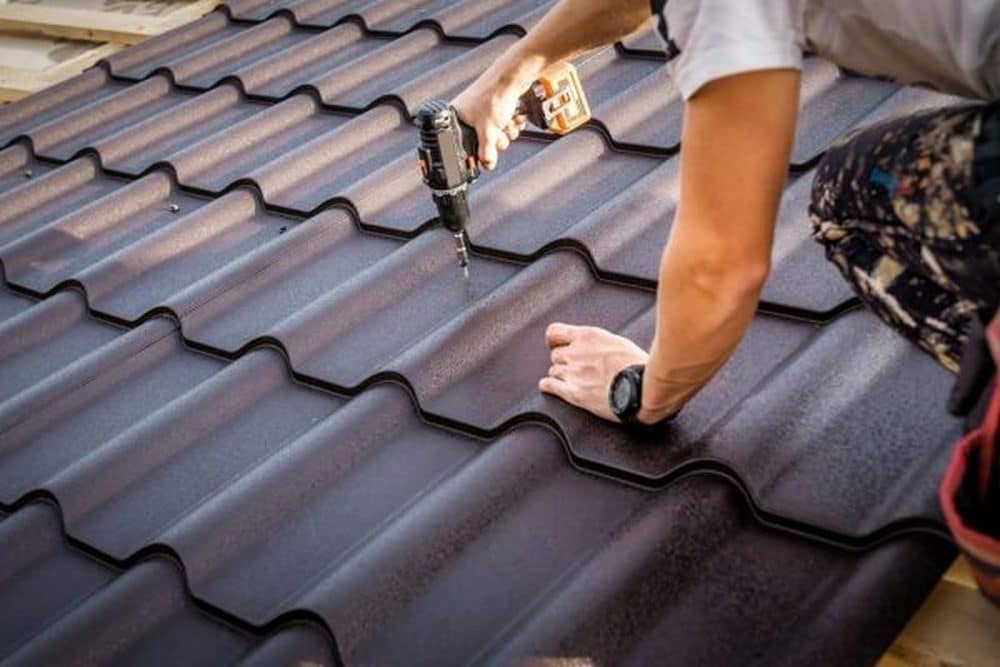
When you take roof inspections seriously, you give yourself the advantage of early problem detection, lower repair costs, and greater peace of mind. You stay informed about the condition of your home and avoid letting hidden issues develop into major structural damage. Working with professionals like My Local Roofer ensures that every part of your roof is carefully evaluated, from surface materials to underlying structures. You also benefit from expert recommendations that help you decide when repairs or improvements are needed. For example, upgrading to metal roofing can provide long-term value because it reflects heat, improves energy efficiency, and requires minimal upkeep, making it a practical choice for reducing long-term expenses while strengthening overall home performance. By combining regular inspections with quality roofing solutions, you protect your investment and maintain a safer, more efficient home for years to come.
Contact us today for a free consultation and expert guidance on choosing the perfect roof for your home.
Call now at (818) 383-6736 or schedule online for a free estimate.
about
My Local Roofer
Specializing in residential and commercial roof repair, replacement, and installation.